

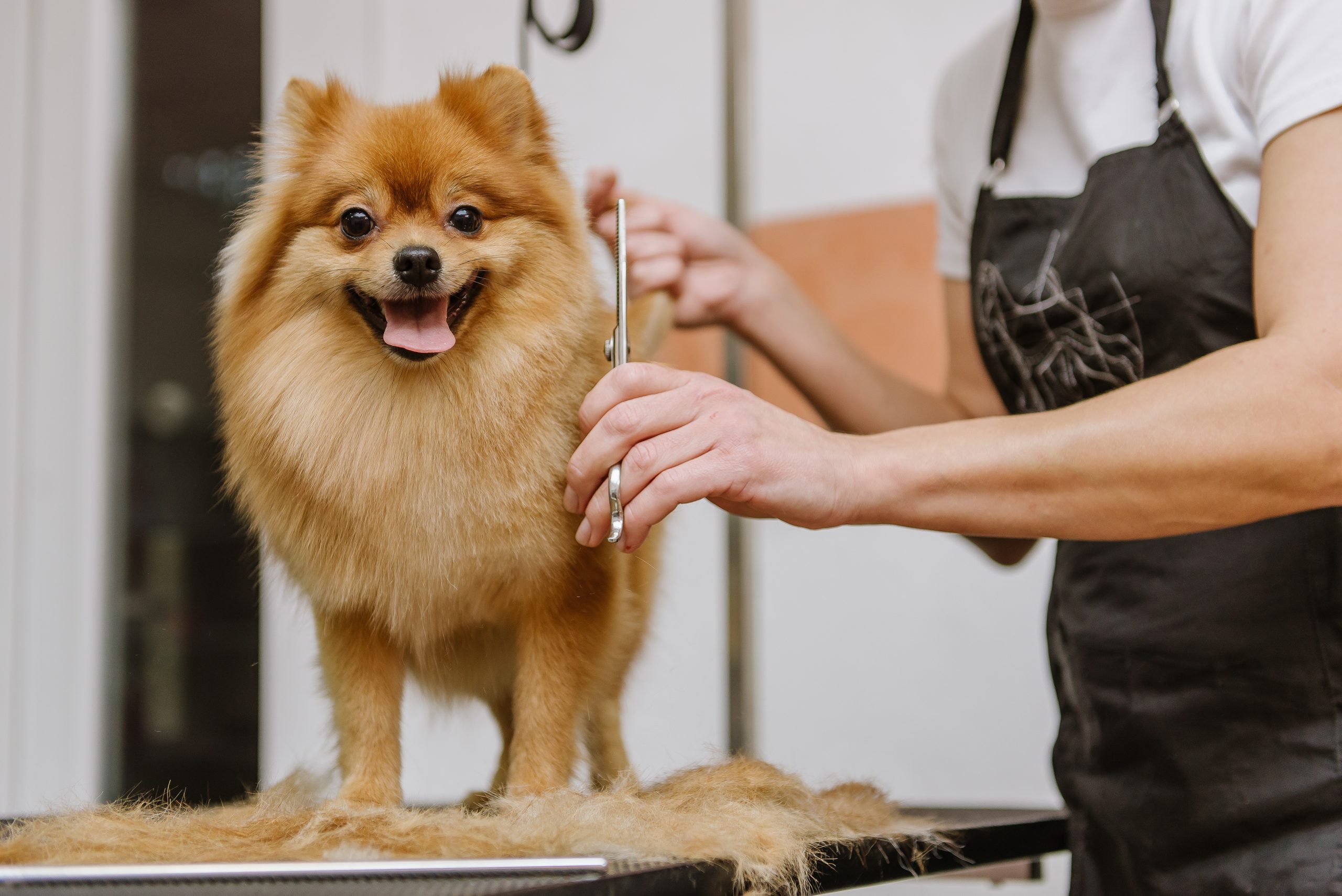
How often should you groom your dog?
This is one of the most common questions pet parents have. The truth is, there is no single grooming schedule that works for every dog.
Grooming needs vary depending on breed, coat type, coat length, lifestyle, activity level, and skin condition.
Some dogs require regular professional grooming and haircuts, while short-haired dogs may only need regular brushing and occasional bathing to stay clean and comfortable.
At Pawverse, we believe grooming is about much more than making your pet look good. It is also an important part of keeping them comfortable, clean, and well cared for.
Why Does Your Dog Need Regular Grooming?
Regular grooming helps remove dirt, loose hair, dead skin cells, and debris from your dog’s coat. It can also help reduce tangles and prevent mats from developing.
Brushing is an especially important part of everyday care. Regular brushing helps remove loose fur and distribute the coat’s natural oils more evenly.
Grooming sessions also give you an opportunity to check your dog’s skin, ears, paws, nails, and coat for anything unusual.
That is why grooming is much more than simply bathing and trimming. It is part of your dog’s overall care routine.
Different Coat Types Need Different Grooming Routines
Short-Haired Dogs
Short-haired dogs generally do not require frequent haircuts, but regular brushing is still beneficial.
Brushing can help remove loose hair, dirt, and dander while helping manage shedding around the home.
For short-haired dogs, grooming may focus on:
- Regular brushing
- Appropriate bathing
- Nail trimming
- Ear care
- Paw care
- Skin and coat checks
Long-Haired Dogs
Long-haired dogs generally require more regular coat maintenance.
Without regular brushing, areas such as behind the ears, under the legs, around the belly, and along the back of the legs can easily become tangled.
Some long-haired dogs may benefit from daily brushing.
Curly-Coated Dogs
Dogs such as Poodles and Bichon Frises have coats that can easily become tangled and matted.
In addition to regular brushing at home, they often benefit from professional grooming and trimming.
A curly coat may look fluffy and healthy on the outside while still hiding tangles underneath, so regular brushing and proper drying are especially important.
How Often Should You Bathe Your Dog?
There is no universal bathing schedule for every dog.
Bathing needs depend on your dog’s breed, coat type, lifestyle, activity level, and skin condition.
A dog that spends a lot of time outdoors, swims frequently, or gets muddy may need to be cleaned sooner than a dog that mostly stays indoors.
At the same time, bathing too frequently may strip natural oils from the skin and coat and contribute to dryness or irritation.
A better way to determine your dog’s bathing routine is to consider:
Breed × Coat Type × Lifestyle × Skin Condition
If your dog has allergies, a skin condition, or another health concern, bathing frequency and products should follow your veterinarian’s recommendations.
Always use grooming products specifically formulated for dogs rather than human or baby shampoo.
What Can You Do at Home?
Professional grooming is important, but everyday care at home is just as valuable.
1. Brush Regularly
Brushing is one of the easiest grooming habits to establish.
For long-haired and curly-coated dogs, pay particular attention to areas behind the ears, under the legs, around the belly, and along the legs.
If you find a severe mat, avoid pulling or forcing it out, as this can cause discomfort or injure the skin.
2. Keep the Paws Clean
After outdoor walks, check your dog’s paws for mud, sand, grass, or other debris.
Excess hair between the paw pads may also collect dirt and become tangled.
3. Check the Nails
Overgrown nails can affect the way your dog walks and may increase the risk of discomfort or broken nails.
If you are not confident trimming your dog’s nails yourself, consider having a professional groomer handle it.
4. Pay Attention to the Ears and Around the Eyes
Check your dog’s ears regularly for unusual odor, discharge, redness, or irritation.
The area around the eyes should also be kept clean, especially for dogs with light-colored coats that are prone to tear staining.
If you notice anything unusual, consult your veterinarian rather than relying on grooming alone.
When Should You Choose Professional Grooming?
Professional grooming can be especially helpful when:
- Your dog has severe mats or tangles
- Your dog has a long or curly coat
- Your dog needs a specific haircut or style
- Your dog is uncomfortable with bathing or blow-drying
- You are not confident trimming the nails
- Your dog needs a complete bath, blow-dry, brushing, and haircut
- You want to maintain a consistent grooming routine
Professional groomers can select the right tools, products, drying techniques, and trimming methods according to your dog’s coat.
For curly or easily tangled coats, professional drying and brushing are particularly important. Some coat types need to be brushed while being dried in order to achieve a smooth, fluffy finish.
At-Home Care + Professional Grooming
Some pet parents think that sending their dog to a grooming salon regularly means there is nothing else to do at home.
In reality, the best approach is:
Daily At-Home Care + Regular Professional Grooming
At home, you can handle regular brushing, basic cleaning, and daily observation. Professional groomers can provide more comprehensive bathing, drying, brushing, trimming, and styling.
Together, these routines can help keep your dog’s coat healthy and make grooming sessions more comfortable.
Pawverse Grooming Advice
Every dog is different.
Instead of following a one-size-fits-all grooming schedule, we believe each pet should have a routine based on their coat, lifestyle, and individual needs.
From everyday pet supplies and at-home care to professional grooming and boarding services, Pawverse is here to be a trusted part of your pet’s life.
Healthy grooming is not just about looking good. It is about helping your furry friend feel comfortable, happy, and well cared for.
Sometimes, the simplest moments hold the deepest wisdom. Let your thoughts settle, and clarity will find you. Use this quote space to share something inspirational or reflective, perfectly aligned with the theme of your article.
This paragraph dives deeper into the topic introduced earlier, expanding on the main idea with examples, analysis, or additional context. Use this section to elaborate on specific points, ensuring that each sentence builds on the last to maintain a cohesive flow. You can include data, anecdotes, or expert opinions to reinforce your claims. Keep your language concise but descriptive enough to keep readers engaged. This is where the substance of your article begins to take shape.
Leave a Reply