

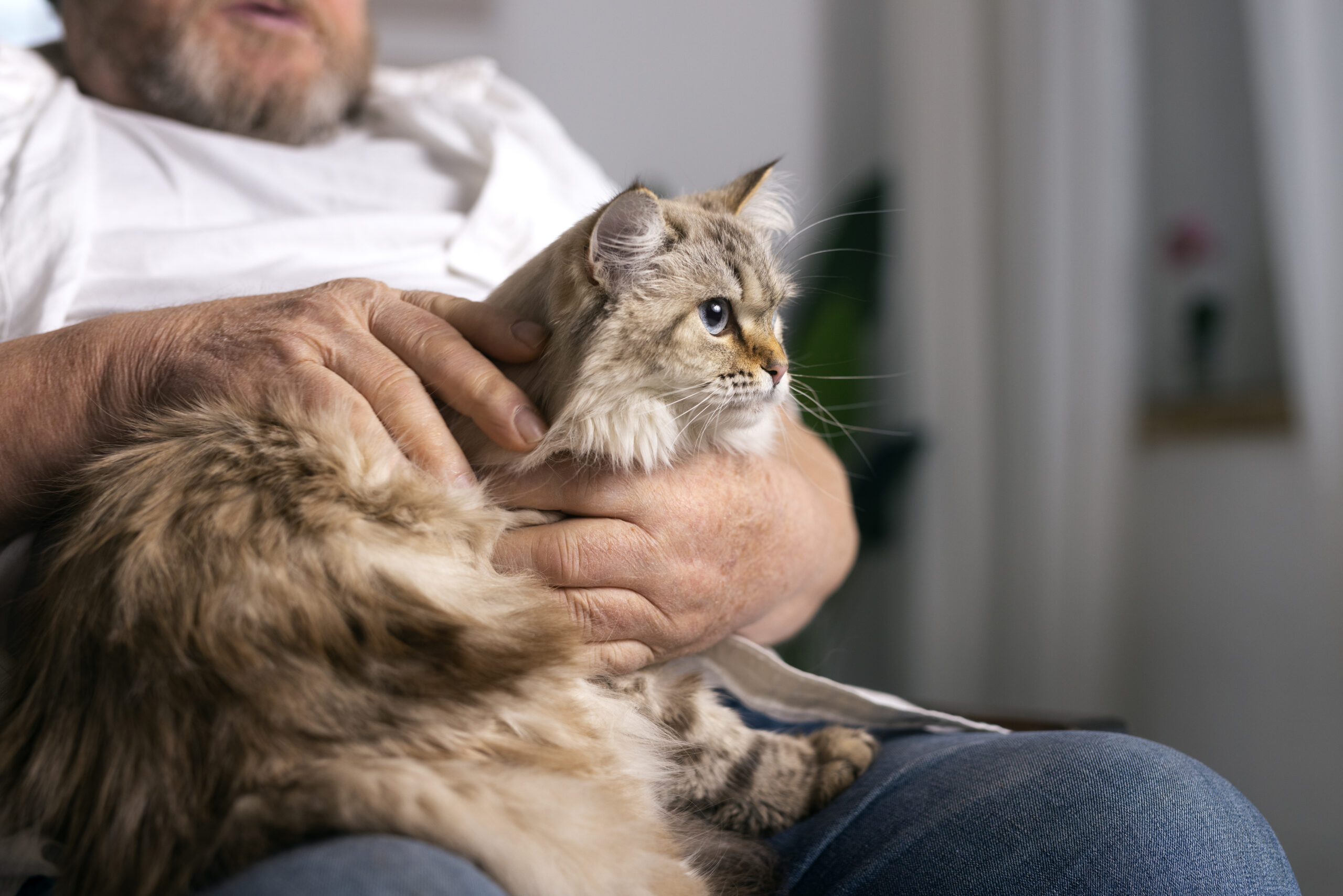
1. How Old Is a Senior Pet? Dogs and Cats Age Differently
Have you noticed that your pet is becoming less active, sleeping longer, or developing white hairs around the muzzle? These changes may lead you to wonder: Is my pet getting older?
The truth is that there is no single age that defines a senior pet for every dog and cat. A dog’s aging process is influenced by factors such as size, breed, and life expectancy, while cats are generally classified according to different life-stage guidelines.
According to the American Animal Hospital Association (AAHA), a dog’s senior life stage can be estimated based on the final quarter of its expected lifespan rather than a fixed age. For cats, the AAHA and American Association of Feline Practitioners (AAFP) life-stage guidelines generally classify cats aged 10 years and older as senior.
Individual health conditions and veterinary assessments should always be taken into consideration.
When Do Dogs and Cats Become Seniors?
| Pet Type | Life-Stage Guidance | Key Care Priorities |
|---|---|---|
| Dogs | Depends on body size, breed, and expected lifespan; age alone is not enough | Weight management, joint mobility, dental health, and regular veterinary checkups |
| Cats | Cats aged 10 years and older are generally considered senior | Monitoring water intake, urination, weight, kidney health, dental health, and activity levels |
References: AAHA Canine Life Stage Guidelines and 2023 AAHA Senior Care Guidelines for Dogs and Cats.
It is important to remember that being a senior does not automatically mean being sick. Nor does it mean your pet must lose its energy or enthusiasm for life.
With appropriate daily care, regular health monitoring, and a comfortable living environment, you can help your pet maintain a good quality of life as it ages.
2. From Puppyhood to the Senior Years: A Care Guide for Every Life Stage
A pet’s nutritional needs, activity levels, and care requirements change throughout life. Understanding these differences can help you make better decisions for your furry companion.
1. The Early Years: Building Healthy Habits
Early life is an important period for physical development, environmental exploration, and the formation of everyday habits.
Care priorities:
- Nutrition: Choose a complete and balanced diet appropriate for your pet’s growth stage.
- Vaccinations and parasite prevention: Follow your veterinarian’s recommendations for vaccinations and parasite control.
- Dental care: Introduce regular toothbrushing and gentle oral examinations early.
- Daily activities: Provide safe opportunities for exploration, age-appropriate toys, and interactive play.
- Grooming preparation: Gradually introduce brushing and gentle handling of the paws and ears to help your pet become comfortable with routine care.
Healthy habits established early can make future grooming sessions, veterinary examinations, and daily care more comfortable for both pets and their owners.
2. Adulthood: Maintaining Health and Activity
Adult pets have generally completed their main growth phase. Care during this stage focuses on maintaining a healthy body condition, preventing disease, and encouraging regular activity.
Care priorities:
- Nutrition management: Adjust food intake according to age, activity level, and body condition.
- Weight monitoring: Track body weight and body condition to help prevent excess weight from placing additional stress on the joints.
- Dental hygiene: Maintain regular toothbrushing and monitor the teeth and gums.
- Physical activity: Support mobility through walks, play, and appropriate exercise.
- Routine health checks: Schedule regular veterinary visits and maintain a health record.
Adulthood is not a stage in which health management can be ignored. Monitoring weight, dental health, and behavioral changes can help identify potential problems early.
3. The Senior Years: Adjusting Care to Changing Needs
As pets enter their senior years, they may experience changes in activity levels, muscle mass, dental health, or sensory function. However, every pet ages differently.
Care priorities:
- Nutrition: Choose food based on body condition, muscle mass, activity level, and individual health needs.
- Joint health and mobility: Observe changes in standing up, climbing stairs, jumping, and walking.
- Dental health: Watch for bad breath, swollen gums, drooling, or difficulty eating.
- Eyes and senses: Monitor changes in vision, hearing, and responses to the environment.
- Health monitoring: Discuss appropriate checkup schedules and any necessary blood or urine tests with your veterinarian.
- Home environment: Provide accessible bedding, nonslip flooring, and a quiet, comfortable resting area.
The goal of senior pet care is not to buy every product marketed for older animals. Instead, understand your pet’s current condition and adjust its diet, products, and daily routine according to its actual needs.
3. Senior Pet Care Essentials: Five Areas to Monitor Every Day
As pets grow older, closer observation of their health becomes increasingly important. These five areas can form the foundation of your senior pet care routine.
1. Joint Health and Mobility: Notice Small Changes in Movement
Have you noticed that your pet is no longer jumping onto the sofa, takes shorter walks, or needs more time to stand up?
These changes may be associated with aging, muscle loss, joint discomfort, or other health conditions. They should not automatically be dismissed as normal signs of old age.
What can pet owners do?
- Observe whether your pet has difficulty standing, walking, or climbing stairs.
- Reduce repeated jumping onto high surfaces if mobility is limited.
- Add nonslip surfaces to slippery floors.
- Encourage regular, gentle activity suited to your pet’s physical condition.
- Seek veterinary advice promptly if your pet develops limping, pain, or a sudden decline in activity.
Pawverse product recommendations: Depending on your pet’s needs, consider nonslip mats, comfortable pet beds, or pet stairs. Joint supplements should be selected according to your pet’s individual health needs, with veterinary guidance when appropriate.
2. Dental Health: Bad Breath Should Not Be Ignored
Senior pets may develop plaque buildup, tartar, gum inflammation, or periodontal disease.
If your pet has persistent bad breath, difficulty chewing, prefers chewing on one side, drools excessively, or has bleeding gums, oral care products alone may not be enough.
What can pet owners do?
- Establish a regular toothbrushing routine whenever possible.
- Use a pet-specific toothbrush and toothpaste.
- Monitor the teeth, gums, and eating habits regularly.
- Arrange a veterinary examination if you notice signs of oral discomfort or disease.
Pawverse product recommendations: Choose oral care products specifically designed for dogs or cats and follow the product instructions. Dental toys and dental treats cannot fully replace toothbrushing or professional dental care.
3. Eye Health and Vision: Pay Attention to Subtle Changes
As pets age, their eyes may undergo age-related changes. However, cloudiness, redness, increased discharge, or sudden vision changes may also indicate an underlying eye condition.
What can pet owners do?
- Notice whether your pet starts bumping into furniture or hesitates when navigating unfamiliar spaces.
- Check for unusual discharge, redness, swelling, or cloudiness.
- Keep the home environment organized and avoid frequently rearranging furniture.
- Seek veterinary care promptly if your pet shows signs of eye pain, squinting, or sudden vision changes.
Pawverse product recommendations: Pet-specific eye-area cleaning products may help keep the fur around the eyes clean when used according to the label. Do not apply general cleaning solutions or unapproved products directly into the eyes.
Lutein and other nutrients are included in some pet supplements, but not every senior pet needs supplementation. These products should not replace eye examinations or medical treatment.
4. Weight and Nutrition: Eating Well Means Eating Right
As pets age, their activity levels, muscle mass, and nutritional requirements may change. Appetite alone is not a reliable indicator of whether a pet is receiving adequate nutrition.
Some pets may gradually gain weight, while others may experience muscle loss or unexplained weight reduction.
What can pet owners do?
- Record body weight and monitor body condition regularly.
- Observe changes in appetite, water intake, and elimination habits.
- Adjust food intake according to veterinary advice.
- Avoid adding multiple supplements or restricting nutrients without an appropriate assessment.
- Arrange a veterinary evaluation if your pet experiences significant weight changes over a short period.
Pawverse product recommendations: Choose complete and balanced pet food appropriate for your pet’s life stage and health needs. Pets with kidney disease, diabetes, or other chronic conditions may require specific nutritional management under veterinary guidance.
5. Sleep and Emotional Well-Being: Make Senior Life More Comfortable
Senior pets may need more rest. However, sudden nighttime restlessness, frequent waking, persistent vocalization, or significant changes in daily interaction deserve attention.
These behaviors may be related to pain, sensory changes, toileting needs, or other health concerns.
What can pet owners do?
- Provide a quiet, comfortable resting area that is easy to access.
- Maintain a reasonably consistent schedule for meals, walks, and rest.
- Avoid making sudden, major changes to the home environment.
- Record changes in sleep, appetite, activity, and behavior.
- Consult a veterinarian if nighttime behavior changes suddenly or continues to worsen.
Senior pet care is not simply about allowing more time for rest. It is about carefully observing your pet and creating a familiar, safe environment that supports its quality of life.
4. How to Choose Products for Senior Pets: Start with Their Actual Needs
When pets enter their senior years, owners may start considering joint supplements, oral care products, eye-area cleaners, and mobility aids.
However, not every senior pet needs the same products. Observe your pet’s daily needs first, then decide which items may be helpful.
| Care Need | Products to Consider | What to Look For |
|---|---|---|
| Daily mobility and support | Nonslip mats, pet stairs, comfortable pet beds | Consider body size, mobility, and safe use |
| Dental hygiene | Pet toothbrushes and pet-specific toothpaste | Choose products designed for dogs or cats and establish a regular cleaning routine |
| Eye-area hygiene | Pet-specific eye-area cleaning products | Check the intended use and application instructions |
| Daily nutrition management | Complete and balanced pet food, supplements when appropriate | Consider life stage, body condition, and health needs |
| Indoor activity and mental stimulation | Snuffle mats and low-difficulty puzzle toys | Choose safe, appropriately sized products that are easy to use |
When choosing products for senior pets, prioritize safety, practical benefits, and comfort rather than relying solely on marketing terms such as “senior formula” or “essential for older pets.”
5. How Often Should Senior Pets Have Health Checkups?
Regular veterinary examinations become increasingly important as pets enter their senior years.
Even when a pet appears healthy, not every health problem can be identified through appearance alone. Some conditions may have few obvious early symptoms, making veterinary history reviews, physical examinations, and appropriate diagnostic tests valuable parts of senior care.
Consider discussing the following with your veterinarian:
- Whether your pet needs more frequent health examinations.
- Whether body weight, body condition, and muscle mass remain stable.
- Whether blood tests, urine tests, or other diagnostic procedures are appropriate.
- Whether vaccinations, parasite prevention, and dental care need adjustments.
- Whether your pet has breed-related health risks or requires chronic disease management.
The appropriate examination schedule depends on age, medical history, breed, health status, and veterinary recommendations.
If your pet develops breathing difficulties, cannot urinate, suddenly collapses, or shows other severe acute symptoms, do not wait for a routine appointment.
6. Pawverse Senior Pet Care Checklist
Not sure what to monitor at home? Use this checklist as part of your weekly care routine to help identify changes in your pet’s condition.
- Record body weight and monitor changes in body condition.
- Observe appetite, water intake, and elimination habits.
- Monitor walking, standing up, jumping, and stair climbing.
- Check the teeth, gums, and breath.
- Observe the eyes, skin, and coat.
- Make sure resting areas, floors, and activity spaces are safe.
- Maintain activities and interaction suited to your pet’s physical condition.
- Record changes in sleep, mood, and behavior.
- Schedule veterinary checkups according to professional advice.
- Review whether your pet’s food, supplements, and everyday products remain appropriate.
This checklist does not replace veterinary diagnosis. However, it can help you build a more consistent observation routine and provide useful information during veterinary visits.
7. Frequently Asked Questions About Senior Pet Care
Q1: At What Age Is a Dog Considered a Senior?
There is no single senior age that applies to every dog breed. AAHA life-stage guidance recommends considering a dog’s expected lifespan, body size, and breed. The senior stage can be viewed as approximately the final quarter of a dog’s expected lifespan.
Consult your veterinarian to develop a health management plan tailored to your dog.
Q2: At What Age Is a Cat Considered a Senior?
According to life-stage guidance from AAHA and the American Association of Feline Practitioners (AAFP), cats aged 10 years and older are generally classified as senior cats.
During this stage, monitor body weight, appetite, water intake, urination, activity levels, and dental health.
Q3: Do All Senior Pets Need Joint Supplements?
No. The need for joint supplements depends on your pet’s mobility, diet, health conditions, and veterinary recommendations.
Supplements cannot replace the diagnosis or treatment of joint disease. Avoid giving multiple supplements without first assessing your pet’s individual needs.
Q4: Can Senior Pets Still Exercise?
Yes, but the type and intensity of activity should be adjusted to your pet’s physical condition.
For many senior pets, appropriate and regular activity can help maintain daily function. If your pet experiences pain, limping, heart or lung disease, or other health problems, consult a veterinarian about suitable activities.
Q5: Does Sleeping More Mean My Pet Is Getting Old?
Not necessarily. Sleep requirements may change with age and lifestyle, but a sudden increase in sleep, nighttime restlessness, or a significant decline in energy may also indicate pain or illness.
If these changes persist or occur alongside other symptoms, arrange a veterinary examination.
Q6: How Often Should Senior Pets Have Health Checkups?
There is no single schedule that is appropriate for every dog or cat. Senior pets often benefit from closer health monitoring, and veterinarians can recommend an examination schedule based on age, medical history, and individual risk factors.
Ask your veterinarian whether more frequent checkups or additional tests, such as blood and urine testing, may be appropriate.
Conclusion: Help Your Pet Age Gracefully, One Small Step at a Time
A pet’s needs change throughout life, but aging does not automatically mean losing vitality. Nor will every pet experience the same health challenges.
From daily nutrition and dental hygiene to joint mobility, home safety, and regular veterinary examinations, every small detail can help owners better understand their pets’ changing needs.
At Pawverse, we believe that thoughtful pet care means finding the right way to support your companion at every stage of life.
Start today by observing a little more, learning a little more, and making thoughtful choices to help your furry companion enjoy every precious year.
Pawverse | Thoughtful Choices for a Happier Life with Your Pet.
Leave a Reply